
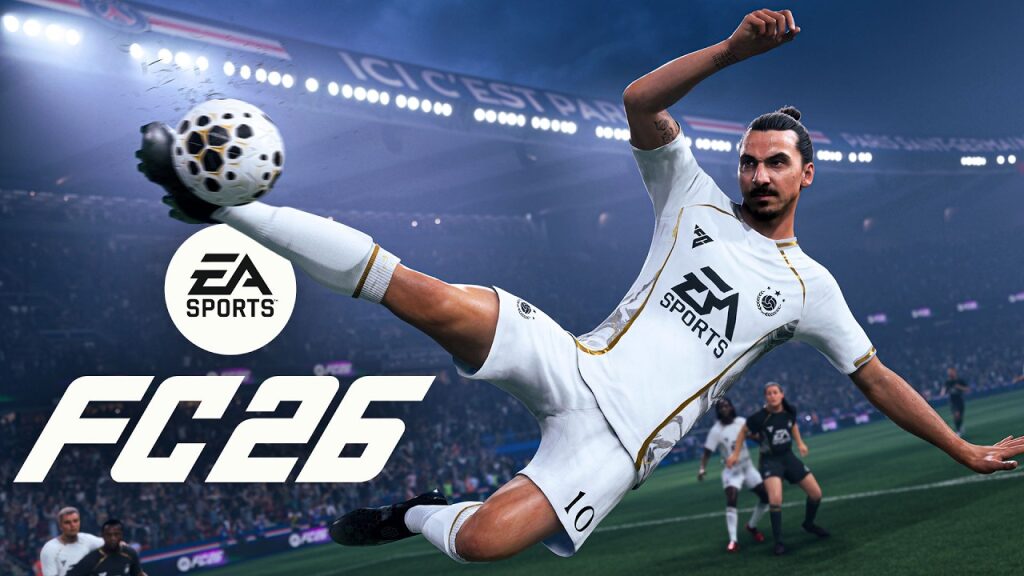
| Authentic Mode slows down the tempo and reinforces tactical discipline without sacrificing the spectacle. |
| Competitive Mode retains the arcade style, optimized for chaining matches and eSports. |
| Reworked ball physics, animations and AI: more credible results and better correlated football statistics. |
| Career: intermediate objectives, dynamic events and squad tensions influence sporting performance. |
| Ultimate Team progresses (evolutions, anti-quit sanctions) but remains aggressively monetized. |
| Expanded cross-play and excellent technical stability on next-generation consoles. |
| Player settings retained from one edition to another: cameras, HUD, and audio mixing. |
Authenticity, mastery and variety define Football Club 26. For this comprehensive analysis, the objective is clear: to untangle what the edition brings on the field and in the menus, then measure the impact on sporting performance and competitiveness. Right away, two philosophies coexist. Authentic Mode imposes a thoughtful pace and rigorous positioning. Competitive Mode speeds up exchanges, embraces duels and amplifies risk-taking. This duo structures all decisions, from game strategy to lineup choices.
The promises translate into concrete insights. New animations and ball physics change the reading of spaces, fatigue management and passing circuits. In an organized football team, profiles express themselves better, while goalkeepers react with a more television-like logic. Football statistics follow: on-target shots, xG and high recoveries gain coherence. As a result, matches offer more plausible scenarios without extinguishing the spark of key players. In the background, the career is enriched with events and sometimes thorny decisions. The verdict fits in one line: results better reflect game intentions.
FC 26 | Comprehensive analysis and insights: two visions of playable football
Authentic Mode favors tempo, ball retention and zone occupancy. Full-backs no longer abandon their flank at the slightest transition, and defenders slow down instead of opening a boulevard. Conversely, Competitive Mode enhances explosiveness, reduces the impact of fatigue and pushes for quick attacks. This contrast clarifies the virtual coach’s choice: methodical control or assumed verticality?
Technically, off-ball AI adjusts its coverages, goalkeepers better direct their saves and rebound physics punishes forced strikes. We get fewer “cartoon goals,” more constructed sequences. This systemic brick stabilizes game reading and gives credibility to every set-piece phase.
Game strategy and sporting performance: the impact on matches
In a strict 4-3-3, the Atlas Montreuil coach (fictional club) finds a simple balance: build play, densify the center, trigger pressing only on weak lateral passes. With Authentic Mode, short passes remain reliable and opponent transitions are read earlier. In Competitive Mode, the same team switches to an aggressive 4-2-2-2 to multiply runs behind and trigger quick shots.
This plasticity facilitates the preparation of tight matches. Over two legs, a patient plan A wears down the opponent’s block; a more direct plan B finishes the opponent when the defensive line wears out. This tactical back and forth nurtures clearer matches and coherent results.
To capitalize, the staff adjusts roles: a deep-lying playmaker drops back, the weak winger attacks the far post, and the strong full-back chooses the safe pass. Every detail matters on the scoreboard.
Football Club 26: Career modes, dynamic events and sports economy
The Career gains pace thanks to intermediate objectives and events that shake up the routine. A tense locker room can lower fitness ratings, while an impatient manager imposes a short-term course. The market stirs from the break, and certain offers reshape a locker room in a week.
- Mid-season objectives: quantified milestones influencing budgets and contract renewals.
- Contextual fitness: group dynamics weigh on sporting performance.
- Market responsiveness: opportunities and bidding wars shape results.
- Progression archetypes: readable trajectories for key players.
This framework feeds credible storytelling. A misstep in January can cost European qualification, but a positive streak puts the season back on track. The adrenaline comes from these turning points.
Ultimate Team: evolutions, results and economic reality
The mode maintains its competitive loop and introduces expected improvements. Evolutions regulate power progression, and tougher sanctions discourage early quits. Menus streamline club management.
The economic model remains intrusive. Pack purchases carry decisive weight, even if squad optimization and tactical mastery narrow the gaps. The key remains: nurture team building, target strong links and adjust pressing by rank.
Football statistics and AI: what FC 26 changes in the numbers
New animations smooth directional controls and reduce heavy touches. By ripple effect, forced shots from improbable angles fall, and average shot quality rises. xG better matches a match’s profile, as cut crosses and second balls follow more realistic trajectories.
In defense, the distribution of aerial duels becomes more natural, limiting “ping-pong” chance sequences. Support AI closes the center, then invites the ball carrier to play outside. Ultimately, stat sheets better tell the game’s story.
For the analyst, this numerical grounding gives credibility to plan evaluations: high pressing no longer saturates the screen with low-probability shots, and possession gains meaning in the opponent’s half. Analysis gains finesse, and decisions follow suit.
Key players and archetypes: reading a modern football team
Star-inspired archetypes provide an effective reading grid. An elite finisher demands tight crosses and a high defensive line. A creative playmaker requires short triangles and a full-back keen on underlaps. Key players dictate tempo, but collective animation makes the difference.
Goalkeepers benefit from expanded animations on mid-height saves and floating balls. On corners, trajectory adjustments limit unrealistic feats. A notable anecdote: a “wink” club composed of a single iconic profile circulates in the community — a fun laboratory to test system limits.
Technology, platforms and accessibility: where and how to play
The initial release took place on September 26, 2025 (early access on September 19 in Ultimate Edition). The game covers PC, Xbox Series X|S, Xbox One, PlayStation 5, PlayStation 4, Nintendo Switch and Nintendo Switch 2, as well as a cloud service. Cross-play connects major ecosystems, stabilizing opponent matchmaking.
On new consoles, display benefits from spectacular Hypermotion replays, modernized lighting and solid framerate. Since 2026, updates have polished the interface and fixed isolated physics glitches. Comfort improves with each session.
Controls, cameras and comfort: the details that change everything
The full transfer of settings from the previous edition smooths onboarding. Customized cameras, streamlined HUD, preserved audio mixing: every preference is respected. This care reduces friction and allows immediate preparation.
To go further, pairing key profiles with match plans accelerates live adaptations. Switching from a possession 3-2-5 to a more compact 4-4-2 happens without breaking the rhythm. This ergonomics reinforces tactical intent and is visible in results.
What practical difference is there between Authentic Mode and Competitive Mode?
Authentic Mode favors construction and discipline: rigorous positioning, more noticeable fatigue, more realistic defensive AI. Competitive Mode speeds up the tempo, reduces fatigue’s impact and favors lightning transitions. Choose the first for a settled game strategy, the second to chain high intensity matches.
Does Career really change season management?
Yes. Mid-season objectives, locker room events and a more reactive market alter the sporting and financial calendar. Decisions made in January weigh on sporting performance, cohesion and results.
Is Ultimate Team more balanced?
Progression through evolutions and anti-quit sanctions improve the competitive experience. However, pack purchases remain decisive. Optimizing chemistry, exploiting archetypes and adjusting pressing remain key levers to perform.
On which platforms is FC 26 available?
The game is available on PC, PlayStation 4 and 5, Xbox One, Xbox Series X|S, Nintendo Switch and Nintendo Switch 2, with cross-play on major platforms. An early access window preceded the September 2025 release.
Which indicators should be followed to improve?
Follow on-target shots, xG, high recoveries and losses in zone 2. These football statistics better reflect the execution of instructions and allow adjustment of pressing triggers and passing circuits.