
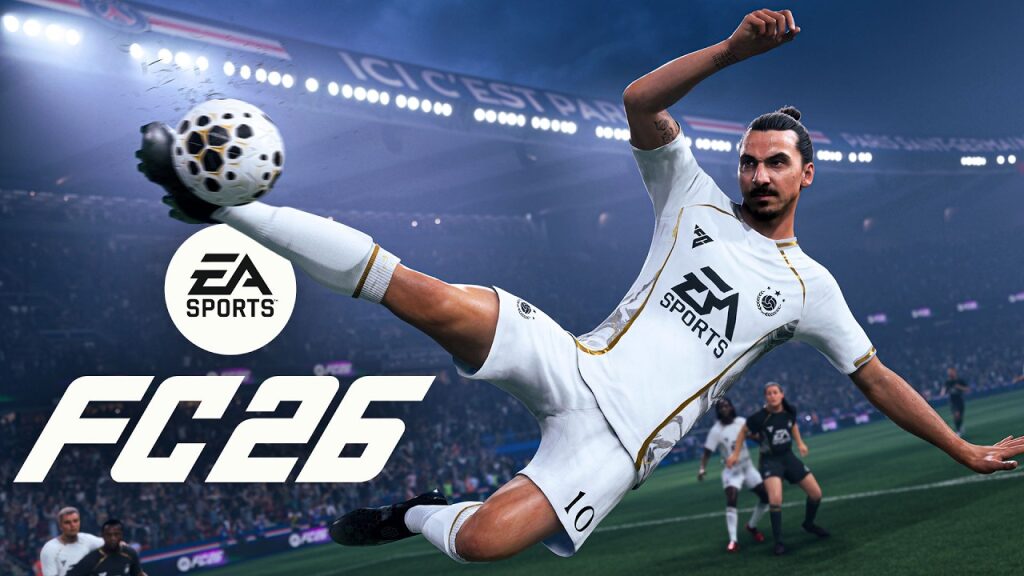
The finalists of the FC Pro Open shared concrete tips to improve in FC 26. Between training management, tailored strategies, and methodical VOD study, their game advice targets measurable performance. The goal is clear: translate advanced techniques into simple routines to increase key skills, from finishing under pressure to reading transitions. A common thread emerges: master fewer things, but master them perfectly, then iterate weekly to embed genuine improvement.
In London, during the 26 finals, the professional players detailed their method: short and intense sessions, progressive objectives, cold error analysis, and immersion in pro gameplay. One fact is clear: blind copying is not enough. You must adapt the game plan to the squad, work on input economy, and understand why a mechanic activates at a precise moment. Following the example of a fictional player, Yanis, ranked Rivals D2, this guide shows how to level up in six weeks by aligning tactics, mindset, and micro-details. The journey starts today, with actionable game advice drawn from the FC Pro Open.
FC 26 News: 7 Pro Tips to Improve Your Game and Gain Consistency
The finalists of the FC Pro Open agree on one point: training quality is paramount. Some limit their sessions to 1–3 hours but demand maximal concentration. This restriction reduces decision fatigue and intensifies useful repetitions, especially in the opponent’s final third.
Another constant: set progressively more ambitious goals. Move from 9 to 10 wins in Champs, then aim for 11. This stepwise rise solidifies confidence and sharpens automatisms. Additionally, watching pro gameplay accelerates learning by avoiding haphazard experiments.
- Play short and hard: focused sessions, strict breaks, clear objectives.
- Analyze your VODs: spot 3 recurring errors and act on the next match.
- Raise the level of adversity: seek scrims against stronger players.
- Consume pro content: streams, tutorials, tactical debriefs.
- Incremental objectives: one step per week, no more.
- Mindset: no fear of the opponent, focus on execution.
- Intentional rest: avoid playing without motivation to prevent tilt.
Training Routine Inspired by FC Pro Open Pros
Yanis segments each session: 20 minutes of finishing drills, 15 minutes of coordinated pressing, then two rated matches. At the end, he lists three decisions to fix. This routine guarantees visible progress in two weeks.
At the same time, he watches 30 minutes of VOD from a circuit favorite. He pauses the action before each goal and explains the logic. This protocol creates reflexes in the red zone and reduces unnecessary ball losses.
Esports coaches also emphasize the importance of a mental reset between matches. Two minutes of breathing or stretching suffice to stabilize inputs and maintain the game plan under pressure.
Game Strategies in EA FC 26: Winning Tactics and Key Adaptations
The 26 meta values reactive strategies. In a possession style, overlapping fullbacks create outside overloads, while the CAM stays high to punish the defensive line. On transition, a medium width and a recalling press offer a good balance between recoveries and solidity.
Yanis adapts his instructions to his squad: strong isolated left winger in 1v1 wide, right winger cutting inside for the center. The idea is not to copy a pro setup but to exploit the eleven’s strengths. Advanced techniques are better expressed with coherent roles.
Advanced Defensive Techniques: Concede Less with Three Adjustments
Elite defense relies on quick switching and angled jockeying. Primarily, protect the center by positioning a CDM to cut inside passes, then trigger secondary pressure only when the angle is favorable. This discipline avoids overcommitment.
Add zonal marking: at 20 meters from goal, Yanis favors directional “contain” to force the ball carrier onto the weak foot. Three matches later, expected goals conceded drop. Controlling the center, slowing down, and pressing at the right moment: this triptych stabilizes the entire defensive base.
To lock down crosses, fullbacks keep prudent depth in defensive phase. This micro-adjustment reduces near-post threats while preserving width on ball out.
Video Analysis and Data: Game Advice to Progress Faster
Studying your own matches remains the number one accelerator. Console and PC allow easy recording. The goal is to identify patterns, not highlights. Pros often point to the same error: rationalize ball losses on short build-up.
Proceed in three steps: note the error’s minute, describe the intention, propose an alternative. Then replay the action in training to embed the fix. This loop turns a recurring mistake into a reliable decision.
Benchmarks and Measurable Objectives, Pro Method
Finalists recommend precise reference points: shot accuracy over 55%, 12 high recoveries per match, and fewer than 8 axial losses. Each week, one metric becomes the priority and feeds progression.
Yanis follows this plan: W1 reduce axial losses, W2 weak foot finishing, W3 pressing triggers, etc. In six weeks, he climbs two ranks in Rivals and stabilizes his Champs record. Numbers guide concrete improvements.
A simple spreadsheet suffices. You enter match, metrics, feelings, associated clip. Progress becomes visible and motivates continuation.
Competitions and Challenging Matches: Leveraging the FC Pro Open to Progress
Nothing replaces adversity. Facing stronger players forces you to adjust decision speed and timing reading. Open circuits like the FC Pro Open expose you to best practices and varied styles.
Pros suggest registering systematically in accessible tournaments. Even an early elimination brings valuable replays. Coupled with streams and tutorials, these matches fuel contextualized learning.
Watch Pros, Ask Questions, Reproduce with Intention
Streams and VOD reveal the reason behind each move. You don’t copy the input; you understand the “why.” Asking questions in the professional players chat accelerates assimilation. The community often replies with concrete examples.
Yanis selects two creators and follows their theme-based playlists: finishing, defense, pressing. He reproduces three sequences per day, then reinvests them in matches. Consistency between watching and practicing makes the difference.
Weekly Training Plan to Turn Tips into Lasting Skills
A clear schedule avoids overload. Each day has a unique focus to lock a game building block. Short slots keep the mind fresh and preserve input quality.
Example of a typical week: two finishing days, two defense days, one pressing day, one transitions day, one active rest day. Variety limits stagnation and maintains motivation.
- Monday: 30 min shooting drills + 2 rated matches.
- Tuesday: 25 min central defense + 25 min situational pressing.
- Wednesday: 30 min pro VOD + 1 match focused on decisions in zone 14.
- Thursday: 30 min offensive transitions + 2 matches.
- Friday: 20 min set pieces + 1 Champs session.
- Saturday: high adversity tournament/ladder, VOD afterwards.
- Sunday: active rest, stretching, mental reset.
Tools and Settings: The Practical Kit for FC 26
Technical details matter. Stabilize the display, block input lag, and standardize the camera. A solid base makes automatisms reproducible.
Recommended settings: Differential Tele camera or Coop, semi pass assist, pass power controlled via visual indicator, sprint dosed on the trigger. An A/B test over 10 matches validates preferences without bias.
How to progress quickly in FC 26 without playing 8 hours a day?
Favor short and intense sessions (60–90 minutes), with a single objective per session. Analyze your VODs, fix three recurring errors, then face stronger opponents to accelerate adaptation.
What tactics to use for an effective possession style?
Overlapping fullbacks to create triangles, CAM advanced to fix the line, moderate width, and selective pressing triggers. Adjust according to your best players’ roles.
How to concede fewer goals in defense?
Protect the center with your CDM, prioritize manual switching and angled jockey. Use secondary pressure only when the tackle angle is favorable. Avoid reckless center back rushes.
Why does watching pro content change the game?
Professional players explain the logic behind each mechanic. You save learning time, avoid useless trials, and import already optimized decision schemas.
Is the FC Pro Open useful for an intermediate player?
Yes. Open tournaments offer real adversity, exploitable replays, and clear benchmarks. Even an early elimination provides data to guide your training.